One drain is slow
A nearby obstruction or buildup may be limiting one fixture or branch.
Notice: fixture + timingDrain cleaning in Aurora, CO
Slow drains and backups leave clues. Tell us where the problem started, what happens when water runs, and whether it has returned before.
Start here
You do not need a diagnosis before calling. A few useful observations can point the conversation in the right direction.
A nearby obstruction or buildup may be limiting one fixture or branch.
Notice: fixture + timingMultiple fixtures slowing together can suggest a shared line concern.
Notice: which drain is lowestStop running water and note where the backup appears first.
Notice: trigger + locationA repeat blockage may call for a closer look at the line and prior work.
Notice: time since last clearingService methods
Not every drain problem needs the same equipment. Access, pipe condition, obstruction type, and the number of affected fixtures all matter.
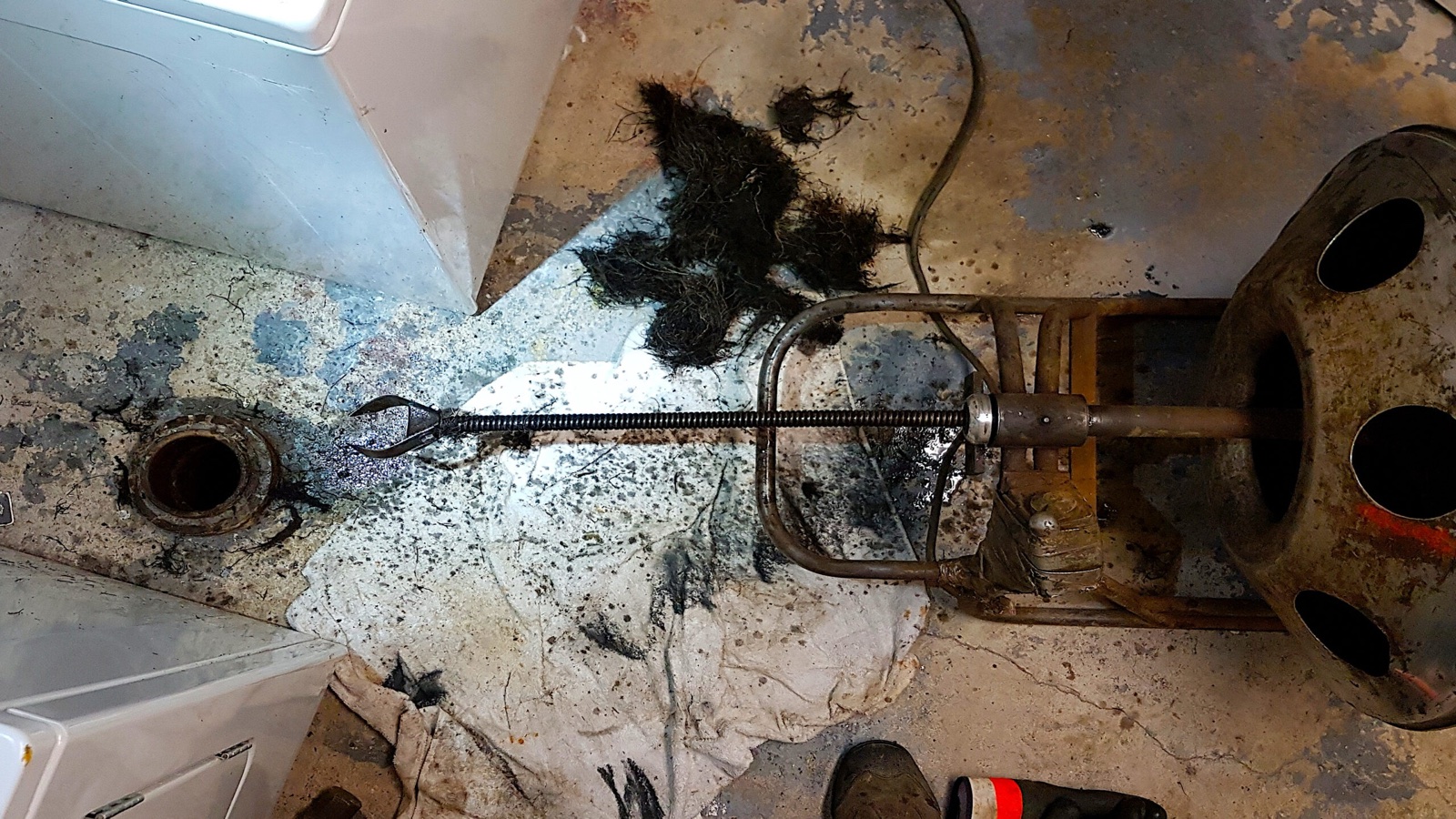
Describe the issue: (720) 343-4065Mechanical clearing for many common clogs and reachable obstructions.
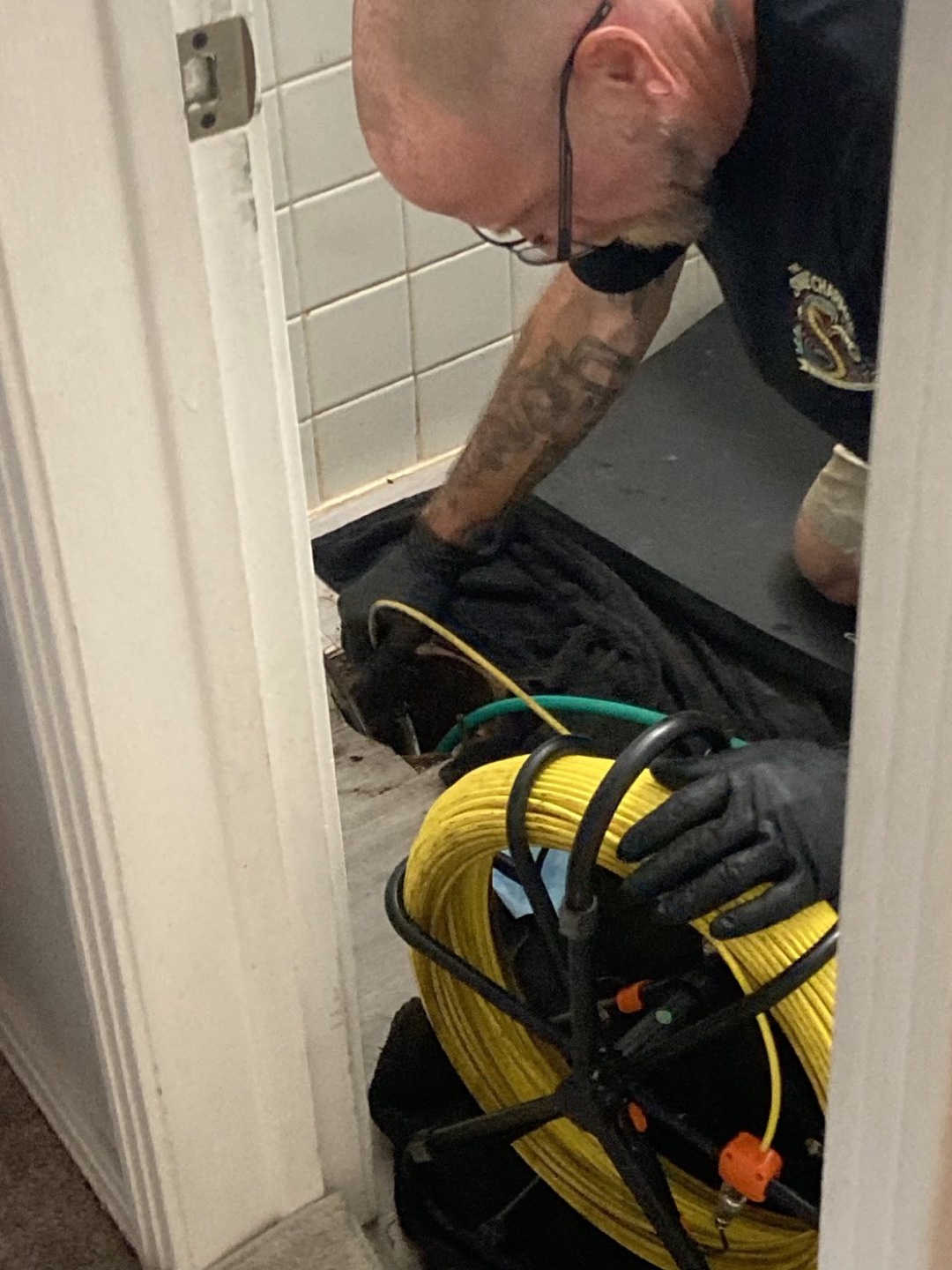
A closer look when trouble repeats or the blockage location is unclear.
High-pressure cleaning may suit certain lines with heavy buildup after evaluation.
Whole-home patterns, roots, backups, and line-condition concerns.
Aurora line conditions
Aurora homes span decades of construction, pipe materials, and landscaping. Everyday buildup can combine with mature roots, seasonal ground movement, and Colorado freeze-thaw cycles.
That is why recurring trouble deserves more than another guess. The goal is to understand the pattern, choose the practical method, and check that water is moving again.
BACKUP IN PROGRESS?
Pause affected fixtures, keep the area clear, and call before the overflow spreads.
Call nowThe service path
Share the fixture, timing, sounds, and backup pattern.
The affected line and available access points are considered.
A method is matched to the line and the obstruction.
Flow is tested and useful observations are explained.
Why homeowners call us
With more than 15 years of experience, our licensed and insured team handles slow drains, backups, recurring clogs, sewer concerns, camera inspections, rooter work, and hydro-jetting assessments. We match the method to the line.
Questions from Aurora homeowners
A recurring clog can point to buildup, roots, a damaged section, or an obstruction that was only partially removed. The pattern helps determine whether inspection or a different clearing method makes sense.
A camera can be useful when a blockage keeps returning, several fixtures are affected, or the condition and location of the line need to be seen before planning further work.
Stop using water and affected fixtures, keep people and pets away from the area, and call promptly. Continuing to run water can make the backup worse.
Freeze-thaw cycles, soil movement, mature roots, and aging materials can all contribute to line problems. The actual cause still needs to be evaluated at the property.
Yes. Our drain and sewer team is licensed and insured, so you can call with confidence when a line needs attention.
Our team brings more than 15 years of experience to slow drains, backups, recurring clogs, sewer warning signs, and line clearing.
Yes. Service may include camera inspection, sewer troubleshooting, rooter work, or another method suited to the line.
Yes. A returning clog may need a broader review. Tell us which fixtures are affected, how fast it returned, and what work was done before.
Aurora Drain Cleaning Co.
DRAINAGE FIELD GUIDE / Aurora
List every affected drain before assuming the nearest fixture is the source. In Aurora homes, the order in which symptoms appear can help distinguish a local trap or branch concern from a broader drainage restriction.
Describe the fixture, how long it takes to clear, and whether another drain is affected. Kitchen grease and bathroom debris create different maintenance questions.
A shared change deserves a system map. List fixtures by floor and explain which one first showed gurgling, rising water, or slow movement.
Stop unnecessary water use when a floor drain, tub, or lower toilet begins to rise. The lowest symptom can indicate a restriction downstream.
Inspection can be useful when location, recurrence, roots, or pipe condition remain uncertain. Ask what the camera can confirm and how findings affect the next step.
Basements, lower-level fixtures, seasonal ground conditions, and different generations of piping can change how a backup presents. Mention any recent thaw, heavy use, renovation, or previous cleaning.
Share what you notice rather than guessing at the cause. That keeps the Aurora evaluation focused on evidence.
Tell the Aurora service desk which drain changed first, how fixtures interact, and what prior clearing was attempted. Limit water use if a lower drain is rising.
Call to discuss serviceLocal service area